GRAN CANARIA - BEST TIME TO VISIT AND WHERE TO STAY
Best Time to Visit Gran Canaria
Gran Canaria is characterized by a mild subtropical oceanic climate, often referred to as “eternal spring,” which makes it a great destination for travelers year-round. However, the best time to visit depends on individual preferences.
This is the hottest period, and also when the island sees the most visitors. Temperatures typically range from 20°C to 30°C (68-86°F), but heat waves can occasionally push temperatures up to 35°C (95°F) in the mountainous central areas. This season is ideal for sunbathing and swimming in the ocean. Short walks in the early morning or late evening are enjoyable, but long hikes may be too hot. Ocean water temperatures range from around 21°C (70°F) in June to approximately 23°C (73°F) in August. The days are long, allowing plenty of time to fill your schedule with activities.
Autumn: September - November
In autumn, you can still enjoy warm weather, with temperatures ranging from 21°C to 27°C (70-81°F), and ocean water temperatures above 23°C (73°F). However, it’s important to remember that the closer it gets to winter, the cooler it becomes, and the weather can be unpredictable. Storms and heavy rain may occur, and by late November, temperatures can drop to around 17°C (63°F), with ocean temperatures around 22°C (72°F).
Autumn is generally milder than summer, with fewer crowds and more pleasant conditions for hiking and exploring the island.
Spring: March - May
Spring is the optimal time to visit the island if you enjoy hiking among lush, blooming vegetation. Temperatures range from around 17°C (63°F) in March to 25°C (77°F) in May. The weather is generally sunny and pleasant, though it can be unpredictable at times. Ocean temperatures are approximately 19-20°C (66-68°F). The days are long, allowing plenty of time to fill your schedule with activities.
Winter: December - February
Winter is a great time to escape to Gran Canaria and soak up some sunshine. Temperatures range from 15°C to 22°C (59-72°F), while ocean temperatures are around 19-20°C (66-68°F). Winter rains refresh the vegetation, making the northern and mountainous areas perfect for trekking, while Playa de Maspalomas, considered the sunniest beach in Europe during the low season, is ideal for sunseekers.
Where to stay in Gran Canaria
Gran Canaria is really varied, both in its landscapes and weather. When picking your accommodation, it’s also worth thinking about practical things like getting around and what’s nearby. Let’s take a closer look to help you choose the right place to stay.
Agaete Valley - West Side of The Island
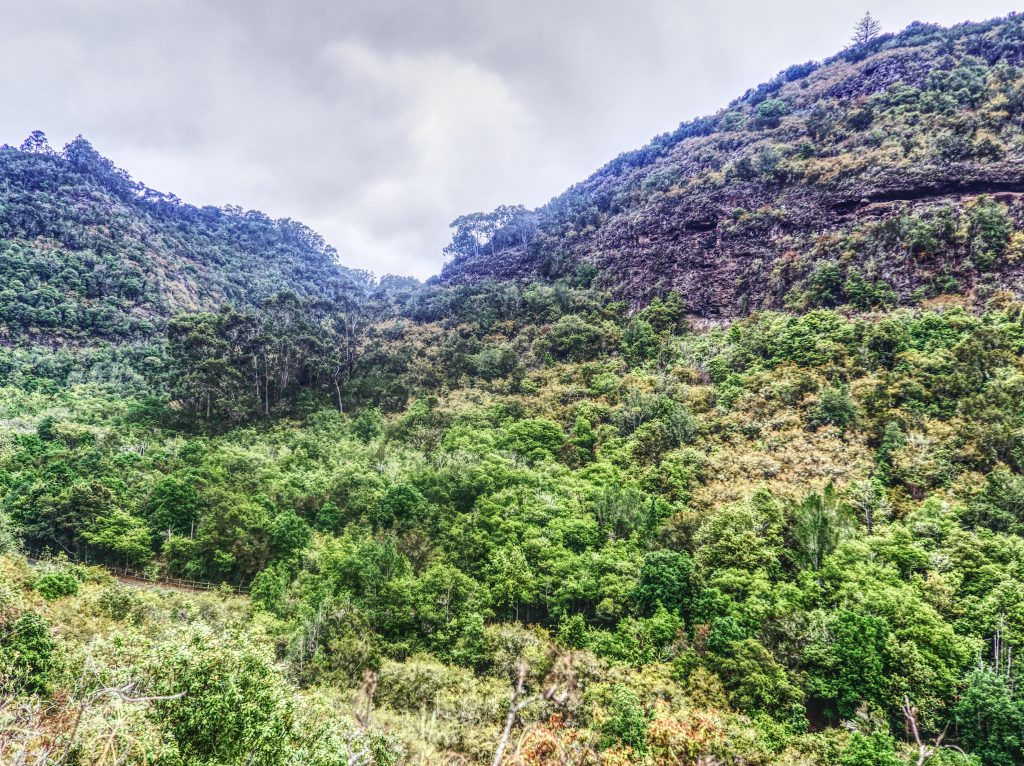
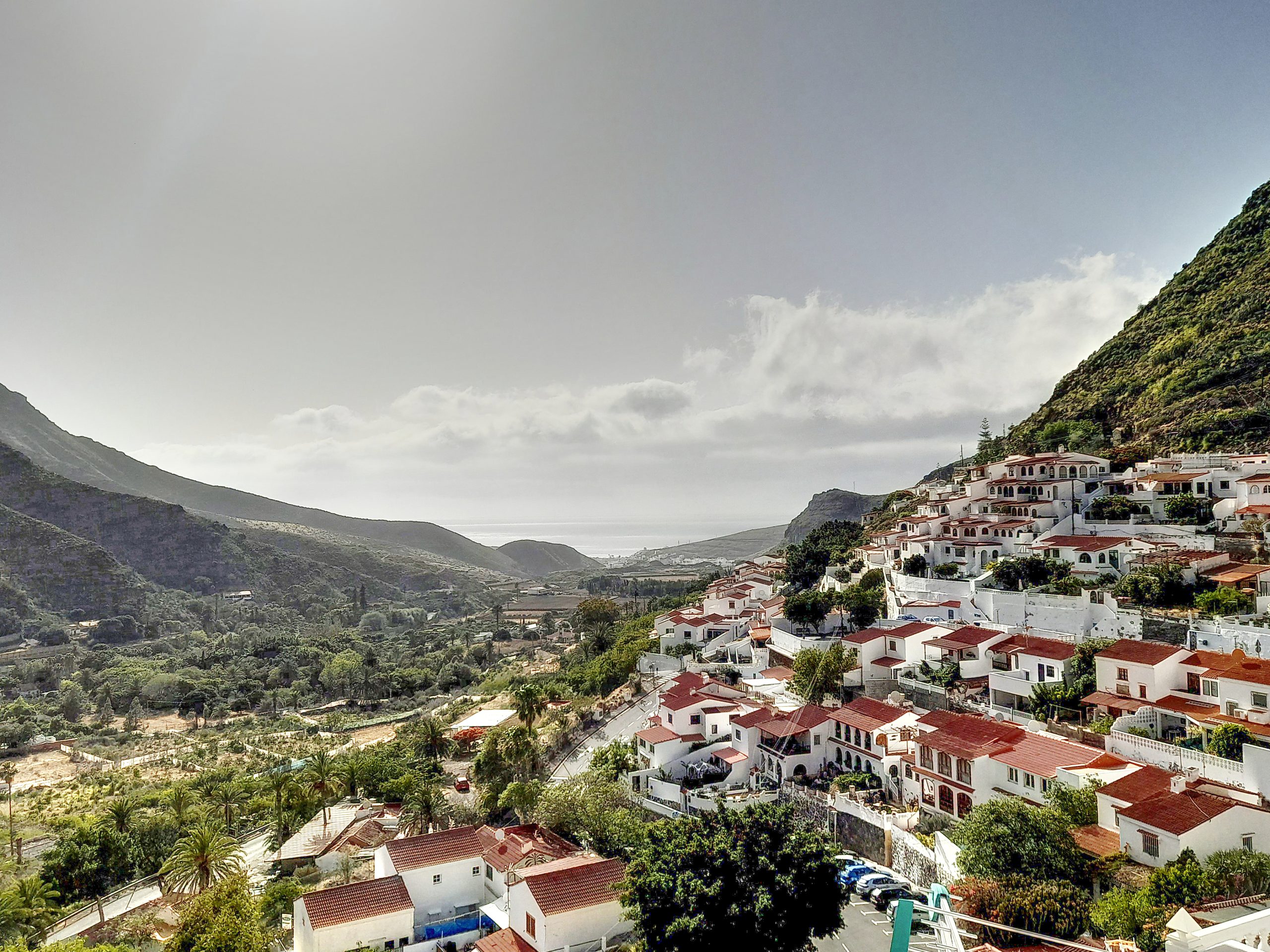
If you’re looking for an authentic, charming place surrounded by greenery and beautiful mountain views, staying in Agaete Valley is a great choice. The area offers many trekking routes in the Tamadaba mountains and i’s not far from the ocean or the picturesque seaside town of Puerto de las Nieves. Agaete Valley is located in the northwest of the island and has a unique microclimate that even allows coffee to be grown. It’s an ideal base for exploring the northern part of Gran Canaria. The south is a bit further away, but the island is small enough that reaching it is not a problem – it just means a longer drive.
The South of the Island
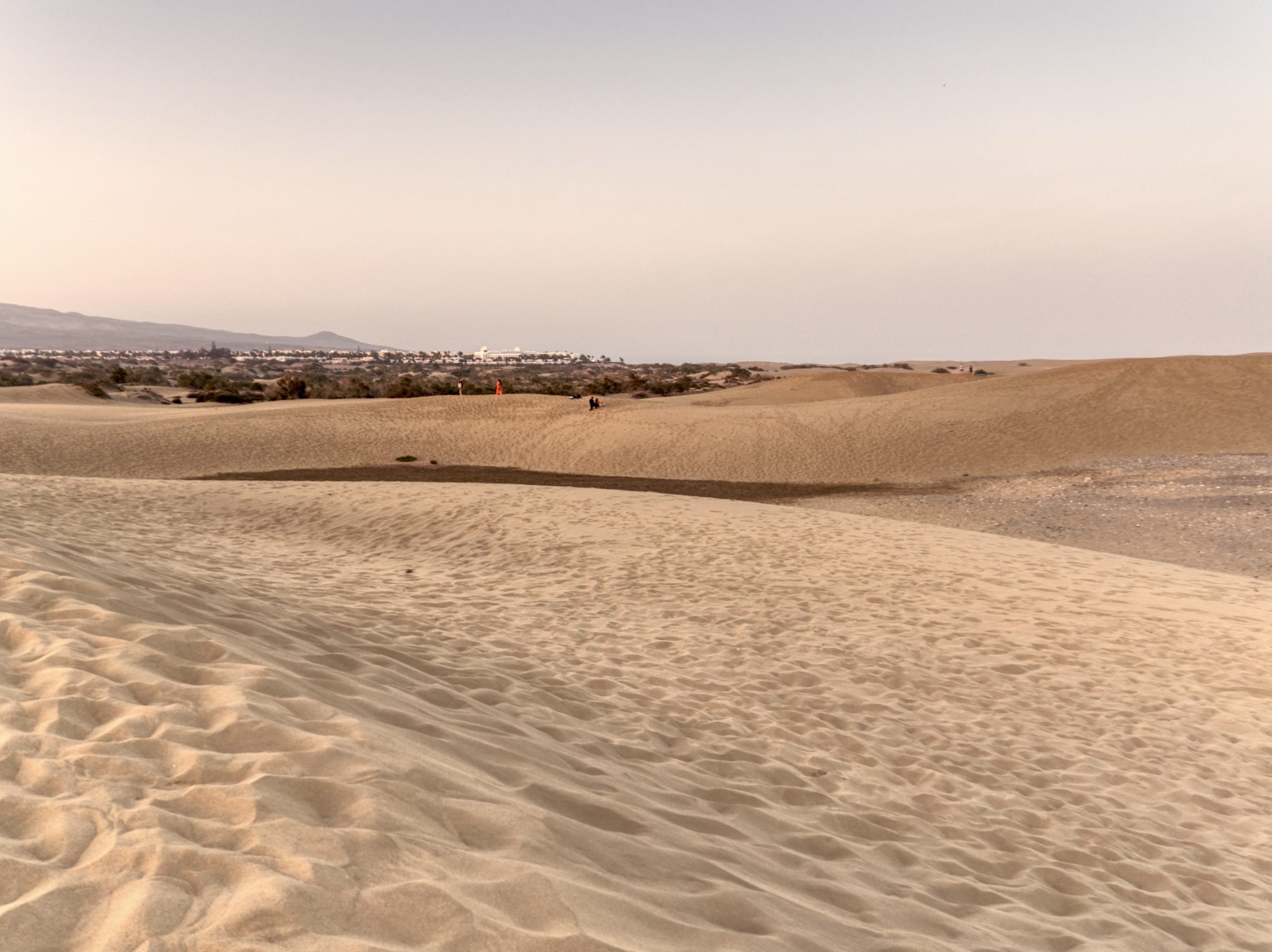
The south of Gran Canaria is the most popular area for tourists. It has a warmer and drier climate compared to the north. You’ll find plenty of resorts here, like Maspalomas with its famous dunes, Puerto Rico, which is great for families, and the charming Puerto Mogán on the western edge.
From Maspalomas, it’s easy to reach attractions like the Water Park, Palmitos Park, or Sioux City, where you can feel like you’re in the Wild West. The south also has well-developed infrastructure, making it very convenient for visitors, but it’s harder to experience the authentic local atmosphere here.
The North of the Island
The north of Gran Canaria has a milder climate with slightly lower temperatures. It’s also often cloudier and wetter, which helps the vegetation thrive, as in places like Tilos de Moya. This area is ideal for those who don’t mind the sun hiding behind the clouds.
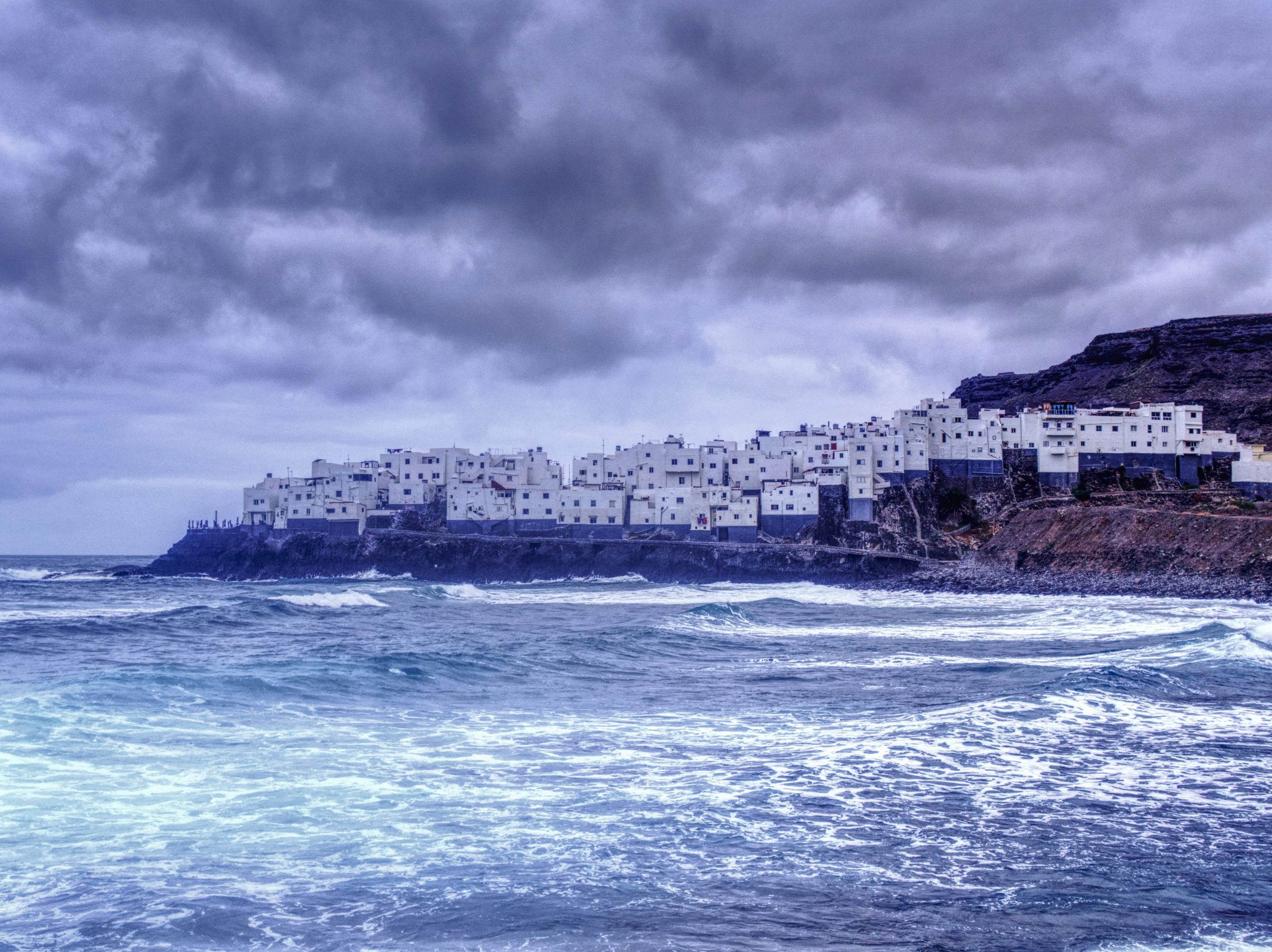
Charming places to stay in the north include El Roque, dramatically perched above the ocean, or Moya, surrounded by lush greenery. Another good option is the island’s capital, Las Palmas, which has the impressive Poema del Mar aquarium and many other attractions to explore.
The East of the Island
The east of Gran Canaria can be a good option if you want to balance your trips to both the north and south of the island. However, it’s quite an industrial area, and the views are not as attractive for tourists. Still, there are some interesting places worth discovering.
The Mountainous Interior
If hiking is your main goal, or if you’re looking for accommodation in an authentic place with a strong local feel, the mountainous interior of Gran Canaria is a great choice.
An interesting accommodation option is the cave houses in the Guayadeque Gorge, located at the very end of the ravine, where guests can stay in traditional cave dwellings, which guarantees an unforgettable experience. A restaurant is available nearby, however it’s important to keep in mind that there is no mobile phone signal in the gorge.